
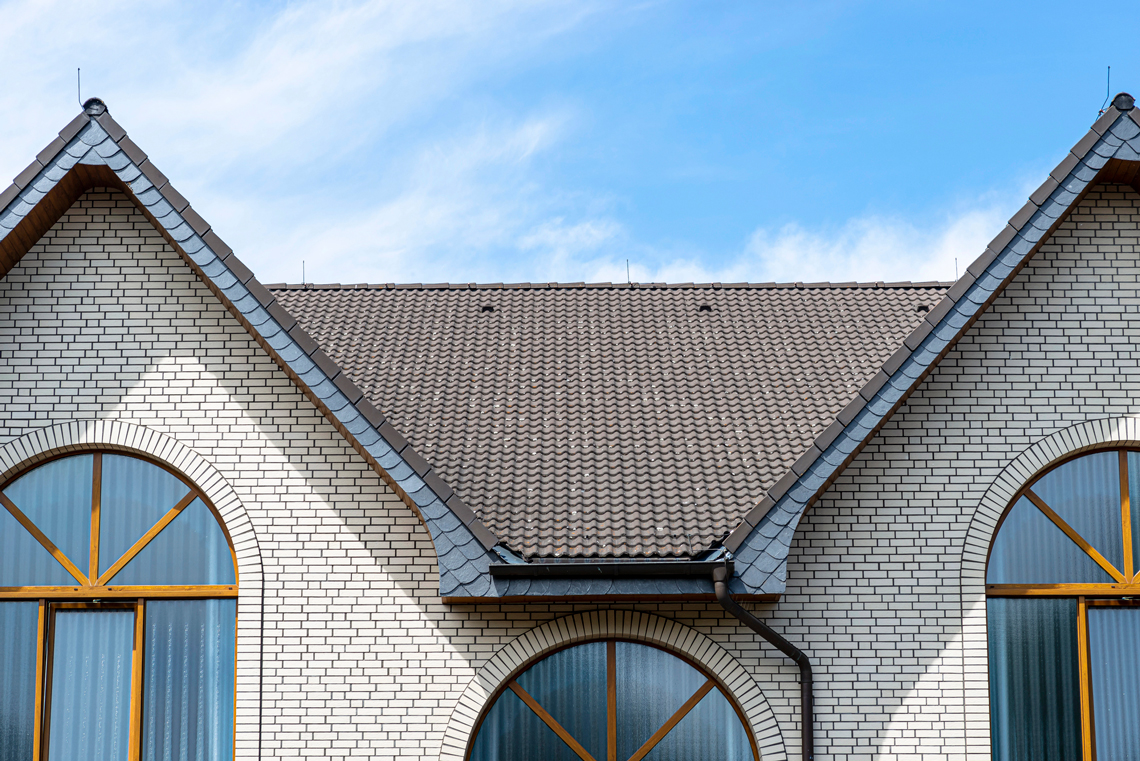
If you’ve ever admired the design of a house, you’ve probably noticed its roof eaves without even realizing it. However, what are eaves on a roof, and why are they important? These architectural features do more than just add charm to a home—they play a vital role in protecting your property from the elements.
Understanding eaves can help you appreciate their function and significance. Let’s explore what eaves are, their purpose, and why they’re a key part of any well-designed roof.
What Are Eaves on A Roof?
Eaves are the edges of your roof that overhang the walls of your building. They hang just a bit beyond the structure to provide protection for the walls and foundation underneath. While they might seem like a small detail, eaves play a key role in keeping your home or business dry and secure from the outside elements. In short, eaves direct water away from the building and help keep your roofline looking sharp.
At first glance, eaves might seem like a purely aesthetic feature. Nevertheless, they’re actually designed for a functional purpose. The extended edges of the roof make sure that rainwater, snow, and debris don’t fall directly onto the walls or foundation of the building. This simple design prevents water damage and extends the life of your structure.
Key Components of Eaves
The eaves on a roof are made up of several important parts:
- Soffit: This is the underside of the eaves. Often made of wood or vinyl, the soffit covers the gap between the edge of the roof and the wall. This helps protect the rafter underneath.
- Fascia: This vertical board runs along the edge of the roof and is often the part of the eaves that’s visible. It lets the gutters stay in place and adds a finished look to the roofline.
- Gutter System: Located along the eaves, gutters collect rainwater and channel it away from the building. Without a good gutter system, the water would fall directly onto your foundation. This potentially causes serious damage.
- Eave Brackets or Trim: In some cases, eaves are adorned with brackets or trim to enhance the architectural style of the home or commercial building.
These components work together to protect the building from weather-related issues and guarantee proper drainage, all while contributing to the overall design of the structure.
The Function of Eaves on a Roof
So, having had the answer to “What are eaves on a roof?”, you might be wondering why eaves are so important. Let’s break it down:
- Water Runoff Management: One of the primary functions of eaves is to direct water away from the walls and foundation. Without them, water would drip down directly against the side of your building. This could cause a range of problems like mold, rot, and even structural damage over time.
- Protection from Weather: Eaves help prevent rain and snow from seeping into the building. They act as a barrier. As a result, the elements don’t damage the siding, windows, or door frames.
- Ventilation: In many roofing systems, the soffit in the eaves is vented. It allows air to flow into the attic. This ventilation is important for reducing moisture buildup and preventing mold growth, especially in commercial roofing projects where large buildings often have complex attic spaces.
- Aesthetic Appeal: Eaves also contribute to the overall look of the building. A well-designed eave can enhance the appearance of your roofline. It adds a finished, polished look to your home or business.
Types of Eaves
Not all eaves are the same. There are different styles depending on the type of building and the architectural design:
- Open Eaves: These eaves are exposed, meaning the rafters are visible underneath the roofline. Open eaves are common in Mediterranean-style homes or older buildings where the rafters are part of the design.
- Closed Eaves: These are more common in modern buildings, with soffits installed to enclose the underside of the eaves. This type of eave provides extra protection against pests and weather while also creating a sleek, clean look.
Eaves and Their Role in Roof Protection
The role of eaves in protecting your roof and building is important. Here are some ways they help keep everything in top shape.
Preventing Water Damage
Eaves direct rainwater away from the walls and foundation. Without them, water would fall directly onto the siding or even seep into the foundation. This can lead to issues like cracks, rot, and mold. It is especially important in regions with heavy rain or snow.
Preventing Ice Dams
In colder climates, eaves help prevent ice dams from forming along the edge of the roof. Ice dams occur when melting snow refreezes near the eaves. They potentially cause water to back up under the shingles and leak into the building. Proper ventilation and eave design can help minimize the risk of this happening.
Protecting Windows and Doors
Eaves also shield windows, doors, and other vulnerable areas from being constantly battered by rain. This extends the lifespan of these features and helps maintain the energy efficiency of your home or business.
How Eaves Contribute to Energy Efficiency
Eaves can play an important role in maintaining energy efficiency in your home or business:
- Summer Cooling: Eaves can block direct sunlight from entering windows in the summer. They help keep your interior cooler and reduce the need for air conditioning by shading the windows and walls.
- Winter Protection: In colder months, eaves can prevent snow from accumulating too close to doors and windows. They can assist in insulation and reducing drafts.
In commercial roofing projects, energy efficiency is often a top priority, especially in larger buildings. The right eave design can contribute significantly to reducing heating and cooling costs.
Common Problems with Eaves
Like any other roofing component, eaves can face wear and tear over time. Some common issues include:
- Clogged Gutters: When gutters are clogged with leaves or debris, the water can’t flow properly, and this puts extra stress on the eaves. Over time, clogged gutters can lead to water damage, so regular cleaning is key.
- Damage from Severe Weather: Strong winds, heavy snow, or hail can cause damage to the eaves and lead to leaks, cracks, or even detachment of the fascia or soffit.
- Rot or Pests: If the soffit is made of wood, it can rot over time, especially if water is allowed to sit on it. Eaves are also a common entry point for pests like birds or rodents, so regular maintenance is important.
Maintenance Tips for Eaves
To keep your eaves in good condition, here are some simple maintenance tips:
- Regularly Clean Gutters: Clean out gutters at least twice a year to guarantee proper water drainage. Clogged gutters can cause water to pool, leading to damage to the eaves and roof.
- Inspect for Damage: Check the soffit and fascia for signs of damage, like cracks or rot. If you notice any issues, address them quickly to avoid bigger problems.
- Make sure of Proper Drainage: Make sure that your eaves are properly sloped to allow water to flow away from the building. This will prevent pooling and water damage.
- Protect Against Pests: Seal any gaps or holes in the soffit or fascia to keep pests out.
When to Replace or Repair Eaves
If your eaves are showing signs of damage, it’s important to act quickly. Some common signs that it’s time to replace or repair your eaves include:
- Sagging fascia or soffits
- Water stains on the walls or ceiling
- Clogged or damaged gutters
- Rot or pest damage
When it comes to commercial roofing projects, timely repairs can prevent expensive damage to the entire structure.
Eaves might seem like a minor part of the roof. However, they play a key role in protecting your home or business. They are a component that shouldn’t be overlooked. Regular maintenance and timely repairs are key to making sure your eaves continue to perform their job effectively.
If you’re planning any commercial projects or need help with your home’s eaves, don’t hesitate to get in touch with Skyline Exteriors and Construction, PLLC for a consultation. We’re here to provide expert advice and high-quality service to keep your roof and eaves in great shape for years to come.