Flat commercial roofs across the Chicago metro area face constant stress. Winter snow loads, spring storms, summer heat, and rapid temperature swings all take a toll on roofing materials. Property owners need systems that hold up under these conditions without driving up maintenance costs.
TPO commercial roofing has become one of the most popular options for low-slope buildings because it combines durability, energy efficiency, and ease of installation. At Skyline Exteriors and Construction, PLLC, we work with commercial property owners throughout Chicago and the surrounding suburbs who want a roofing system that performs well.
TPO Commercial Roofing: Core Features and Structure
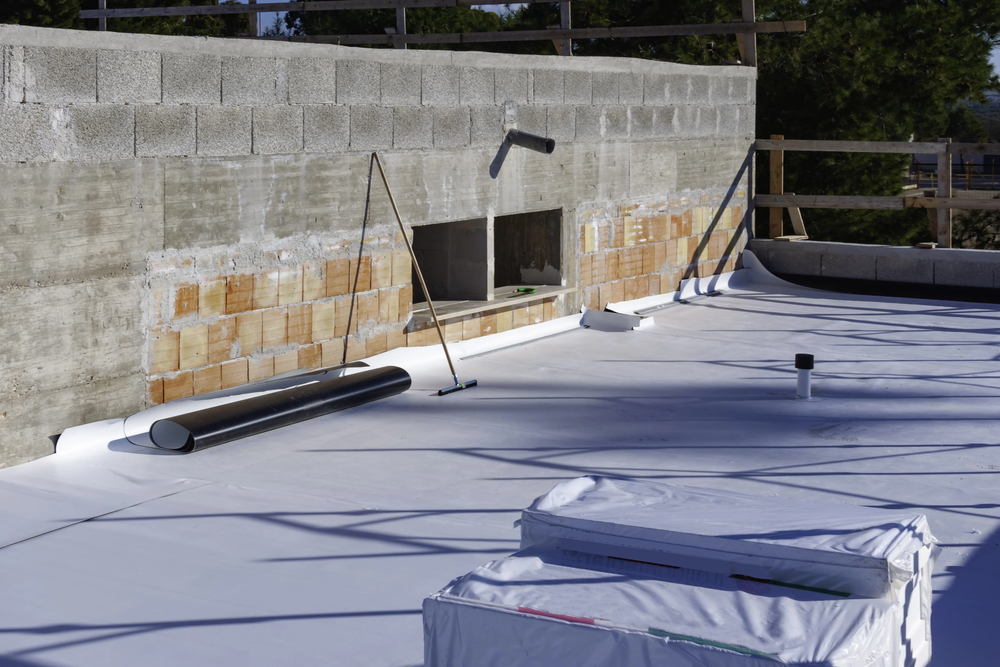
Thermoplastic polyolefin (TPO) is a single-ply membrane designed for flat and low-slope roofs. The material includes a reinforced polyester scrim that provides strength and resistance to tearing. Large sheets are rolled out across the roof, and the seams are heat-welded together to create a watertight surface.
Heat welding forms a chemical bond at the seams. These joints often become the toughest part of the roof, which helps prevent leaks in areas where water would normally penetrate. Professional roofing installation, repair, and replacement services play a major role in how long the membrane lasts and how well it performs.
Why TPO Has Gained Market Share
TPO membranes were first used in Europe and entered the North American market in the late 1990s. Since then, the system has grown into one of the most widely installed commercial roofing options. Industry reports show thermoplastic membranes holding a major share of the commercial roofing market.
Several characteristics explain this growth:
- Reflective surfaces that reduce heat absorption
- Durable membranes that resist weathering
- Heat-welded seams that limit leaks
- Warranties that can reach up to 30 years
- Competitive pricing compared to many alternatives
The bright white surface of most TPO membranes reflects ultraviolet rays and heat. This reflective quality helps lower cooling costs during hot Chicago summers.
Installation Methods for Different Building Types
Commercial roofs rarely share the same structure. Deck materials, insulation choices, and wind exposure all influence the installation approach. TPO systems can be installed in three primary ways.
Mechanically Attached Systems
Fasteners secure the membrane to the roof deck. This method keeps installation costs lower because adhesives are not used across the entire surface. Many large commercial buildings use this approach for efficiency.
Fully Adhered Systems
Adhesive bonds the membrane to the insulation or cover board. This method distributes wind pressure across the roof surface and works well for buildings in high-wind zones.
Induction-Welded Systems
Special equipment welds the membrane to plates beneath the surface. This technique reduces labor time on large roofs and delivers excellent uplift resistance.
Large industrial and warehouse roofs often benefit from induction-welded assemblies because of their speed and performance.
Membrane Thickness and Sheet Sizes
TPO membranes come in several thickness options, which affect durability and cost.
Common thicknesses include:
- 45-mil for lighter commercial use
- 60-mil for standard durability
- 80-mil for high-traffic or heavy-duty roofs
Thicker membranes provide more resistance against punctures and wear. Many Chicago commercial properties choose 60-mil or 80-mil systems for added protection.
Sheet widths can reach up to 12 feet. Wider sheets reduce the number of seams across the roof, which helps minimize potential leak points.
Insulation Options Beneath the Membrane
TPO roofing does not include built-in insulation. An insulation layer sits beneath the membrane to control interior temperatures and improve energy performance.
Common choices include:
Polyisocyanurate (Polyiso)
Polyiso delivers high thermal resistance. Many commercial buildings use this option because it offers strong energy performance.
Expanded Polystyrene (EPS)
EPS offers one of the highest R-values per dollar. It also resists moisture absorption over time.
Extruded Polystyrene (XPS)
XPS falls between polyiso and EPS in cost and performance. It provides consistent insulation and moisture resistance.
Cost Factors for TPO Roofs
TPO systems are known for their balance of performance and affordability. Main cost drivers include:
- Total roof size
- Condition of the existing roof
- Insulation type and thickness
- Roof accessibility
- Number of penetrations
- Warranty selection
A large open roof with minimal equipment often costs less per square foot than a smaller roof packed with HVAC units and vents.
Maintenance and Repair Considerations
TPO roofs can last decades, though regular inspections help catch small issues early. Most problems appear at seams, flashings, or areas with heavy foot traffic.
Common warning signs include:
- Water stains inside the building
- Lifted or separated seams
- Punctures in the membrane
- Persistent standing water
Infrared inspections are often used to detect hidden moisture. Wet insulation retains heat differently from dry areas, which makes it easier to locate damage after sunset.
Repair options depend on the level of moisture present in the roofing system. Minor seam welding and patching can address small problem areas. Silicone restoration systems may be used when saturation remains low. Full replacement becomes necessary once insulation damage spreads. With routine maintenance and timely repairs, property owners can often extend the life of their roof.
In many commercial properties, exterior upgrades happen alongside roofing projects. Multi-unit buildings and shared outdoor spaces often include deck installation to improve usability and property value.
Where TPO Works Best
TPO systems perform well on many types of commercial buildings, especially those with flat or low-slope roofs.
Common applications include:
- Warehouses
- Retail centers
- Office buildings
- Apartment complexes
- Industrial facilities
Large roof surfaces benefit the most from TPO’s reflective properties and wide sheet sizes.
A Practical Roofing Option for Chicago Businesses
TPO commercial roofing has grown into one of the most trusted systems for flat and low-slope buildings. Reflective surfaces help reduce cooling costs, and heat-welded seams provide reliable protection against leaks.
At Skyline Exteriors and Construction, PLLC, we install and maintain TPO systems for commercial properties throughout Chicago and the surrounding suburbs. Our crews handle inspections, repairs, and full replacements with a focus on long-term performance.
If your commercial roof needs an inspection or replacement, schedule a professional evaluation to discuss your project with our team.