
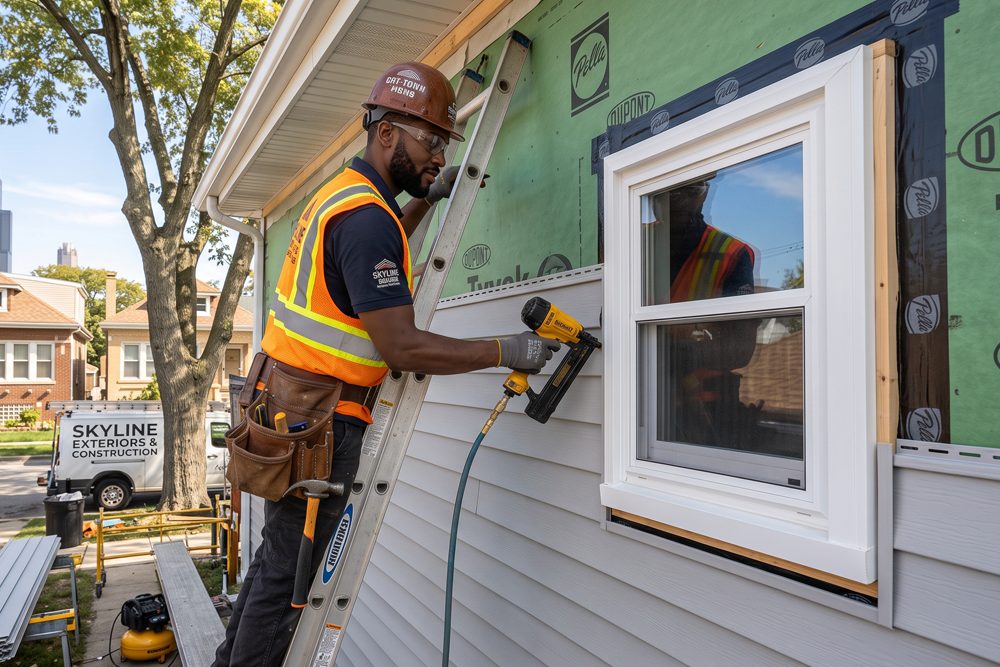
Quick SummaryChoosing a siding contractor requires careful attention to experience, workmanship, communication, materials, project planning, pricing, and customer feedback before signing an agreement. Chicago properties face seasonal weather conditions that can affect exterior materials and installation quality. Written estimates, thorough inspections, appropriate credentials, references, warranties, and clear project explanations can help homeowners make confident decisions about their exterior projects. |
Choosing among siding contractors in Chicago IL, requires homeowners to examine workmanship, communication, materials, project planning, and experience before making a final decision. Siding contributes to curb appeal, weather protection, and the overall appearance of a home. A thoughtful selection process can help homeowners identify contractors who understand local exterior conditions and approach each project with careful preparation and attention.
A qualified contractor should begin by examining the existing exterior instead of immediately recommending extensive replacement work. During an inspection, homeowners should receive clear explanations about visible damage, moisture concerns, deteriorated materials, flashing, trim, ventilation, and underlying conditions that could influence the project. Contractors should also discuss material choices, installation procedures, estimated timelines, maintenance considerations, and project costs before construction begins.
Evaluate Experience With Siding Materials
Experience with different siding materials can help homeowners determine which option fits their building, appearance preferences, maintenance expectations, and long-term goals. Vinyl and James Hardie fiber cement siding differ significantly in appearance, maintenance, installation, and durability, and James Hardie runs close to double the cost of vinyl. A knowledgeable contractor should explain these differences clearly while considering the property’s existing architecture, exposure conditions, budget, and desired finished appearance.
Material expertise matters most on a full replacement, where color, profile, texture, and weathering have to read consistently across the whole exterior once the job is finished. Matching existing siding may require attention to color, profile, texture, manufacturer, age, and weathering because older materials can look different from newer products. Ask how the contractor handles hidden moisture, deteriorated trim, and underlying sheathing conditions found once the old siding comes off. Detailed answers demonstrate practical experience and signal a contractor who plans for what they find.
Review the Inspection and Planning Process
A thorough inspection can reveal conditions that are not immediately visible from ground level, including loose panels, cracks, staining, moisture intrusion, deteriorated surfaces, and problems around windows or doors. Homeowners should expect contractors to explain their findings in understandable language while connecting recommended work with specific conditions observed during the inspection. This approach makes project decisions easier to understand before construction begins.
Project planning should also include a clear explanation of preparation, materials, removal, installation, cleanup, scheduling, and potential conditions that could affect the original scope. Written estimates can help homeowners compare contractors because they establish a clearer understanding of what the quoted price covers. Comparing complete project scopes instead of simply comparing prices can help reveal important differences between proposals from different companies.
Consider Chicago Weather Conditions
Chicago properties experience changing seasons that can expose exterior materials to wind, precipitation, snow, temperature fluctuations, and repeated freeze-thaw cycles. These conditions make proper installation practices particularly important for maintaining the exterior over time. Ask potential contractors about drainage, flashing, ventilation, moisture management, and preparation methods that address local weather conditions while protecting vulnerable areas around openings and transitions.
Siding also interacts with other exterior components, including roofing, windows, doors, gutters, soffits, and fascia, which means problems in one area can influence another. Contractors should recognize these connections during inspections and explain concerns that could affect the finished project. A thorough assessment can help homeowners identify underlying issues before new siding conceals conditions that could later require additional repairs.
Compare Communication and Customer Service
Communication can significantly influence the overall construction experience because exterior projects involve planning decisions, material selections, scheduling, property preparation, and changing site conditions. Homeowners should look for contractors who answer questions clearly, discuss project expectations openly, and communicate important developments throughout construction. Responsive communication can also make it easier to address unexpected conditions without creating unnecessary confusion during the project.
Customer service should extend beyond the initial sales conversation and continue through installation, inspection, cleanup, and project completion. Ask how questions or concerns are handled after work begins and what process exists for addressing workmanship issues after completion. Contractors who explain these procedures clearly can give homeowners a better understanding of the working relationship and expectations throughout the entire construction process.
Review the Contract Before Signing
A written contract should clearly outline the project scope, selected materials, estimated costs, payment schedule, expected timeline, preparation work, cleanup responsibilities, and warranty information. Reviewing these details before signing gives homeowners an opportunity to identify unclear terms and ask specific questions about anything that does not match the original discussions. Clear documentation can also reduce disagreements once construction begins.
Homeowners should also confirm how unexpected conditions, material changes, weather delays, and additional repairs will be handled during construction. Ask about procedures for approving changes before additional work begins, particularly when hidden damage appears after existing siding is removed. A detailed agreement creates a shared understanding between both parties and helps keep the project organized from beginning through completion.
Check Credentials, References, and Reviews
Credentials, insurance, references, and customer reviews all help homeowners assess a contractor before committing to significant exterior work. Skyline Exteriors & Construction, PLLC is a licensed Illinois contractor holding roughly 250 Google reviews at a 4.9-star average, and a preferred contractor for James Hardie siding. Ask for relevant documentation and review customer feedback for recurring observations about workmanship, communication, scheduling, cleanliness, responsiveness, and project management. Consistent feedback across these areas can offer useful insight into how a contractor approaches projects and interacts with customers.
References can also help homeowners understand how previous customers experienced the project from beginning to completion. Ask contractors about comparable projects they have completed and consider the type of properties represented within their experience. Reviews should not be the only deciding factor, but patterns involving craftsmanship, communication, reliability, and customer satisfaction can contribute valuable context when several contractors appear qualified.
Compare Complete Project Value
Price deserves attention during the selection process, but the lowest estimate should not automatically determine the final decision. Compare materials, preparation, removal, disposal, flashing, trim, installation, cleanup, warranties, and project scope before evaluating the financial difference between proposals. A detailed estimate can reveal what each contractor has included while helping homeowners understand the actual value associated with each proposed project involving home siding replacement.
Homeowners should also consider how comfortably a contractor explains recommendations and responds to questions about the proposed work. Contractors should be able to describe why particular materials or repairs suit the building instead of simply presenting a predetermined solution. Taking time to compare experience, workmanship, communication, inspection findings, project scope, and customer feedback can make the final decision considerably easier.
Choose With Confidence Before Construction Begins
The right contractor should combine practical experience, quality workmanship, responsive communication, appropriate materials, thorough inspections, and clear project planning throughout the construction process. At Skyline Exteriors & Construction, PLLC, we are full-replacement specialists and a preferred James Hardie contractor, focused on customer service and quality craftsmanship for Chicagoland homeowners. Get your free estimate to discuss your siding needs and explore an exterior solution suited to your property.