
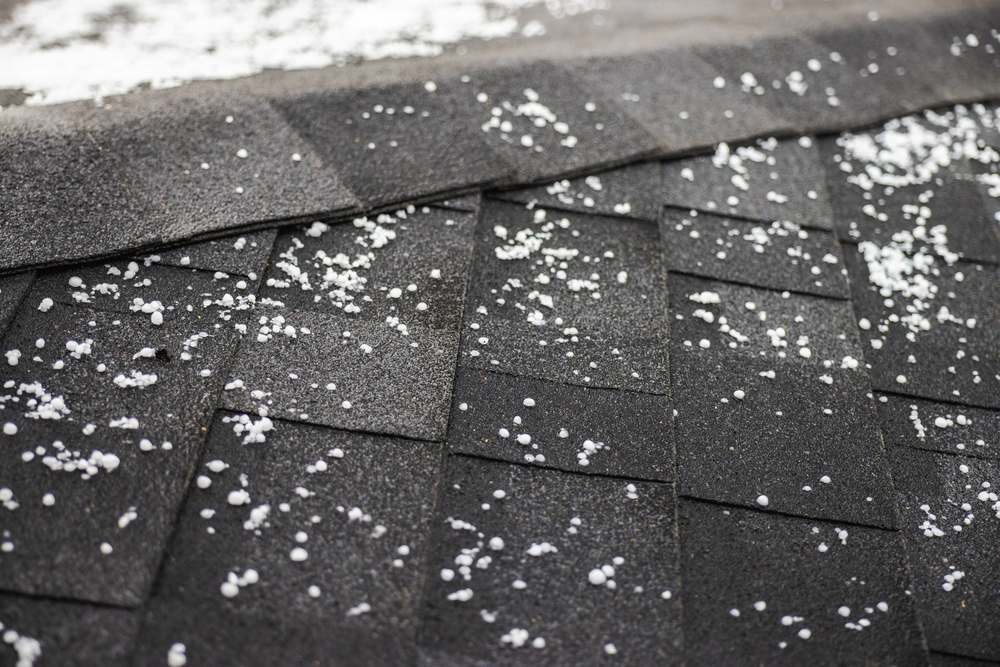
Quick SummaryA hailstorm can leave behind damage that is not always obvious from the ground, from bruised shingles to dented gutters and vents. Knowing what to look for, and what to do first, makes a real difference in how smoothly the replacement and insurance process goes. Rather than attempting to document damage and file a claim independently, Chicago homeowners are better served by contacting an experienced local contractor who can inspect the roof thoroughly and manage the insurance process from start to finish. Acting promptly during hail season also helps preserve the clearest evidence of damage. |
Hail can leave behind roof damage that is difficult to identify from the ground. Bruised shingles, missing granules, and dents on roof components may not look serious immediately, but they can affect the condition of the roofing system over time. If you suspect hail damage on your Chicago roof, have it professionally inspected rather than attempting to determine the extent of the damage yourself.
Knowing what to do after a hailstorm damages your roof can also make the next steps easier. Contacting a qualified contractor first allows the condition of the roof to be documented and gives you a clear path through the inspection, insurance, and replacement process.
How to Spot Hail Damage on Your Roof
Hail damage is not always dramatic or obvious. Some signs are subtle and may be difficult to see from the ground.
Bruised shingles are one common indicator. These may appear as soft or discolored spots where hail has struck the shingle surface. Granule loss is another sign to watch for. When hail knocks protective granules loose, the exposed areas may appear shiny or noticeably different from the surrounding shingles.
You may also find dents on gutters, downspouts, roof vents, flashing, or other exterior components. These marks can indicate that hail reached your property with enough force to affect the roofing system.
Homeowners should not climb onto a roof to look for damage. If you notice these signs after a storm, contact Skyline for a professional inspection. Our team can assess the roof and determine whether the roofing system needs full replacement.
Step 1: Contact Skyline for a Free Inspection
If you suspect storm damage, contact Skyline Exteriors & Construction, PLLC first for a complimentary inspection. Rather than attempting to assess the roof yourself or navigate the insurance process independently, our team can document the condition of your home’s exterior and explain the next steps.
Our inspection looks at the roof and other exterior areas that may have been affected by the storm. We document visible damage and assess the overall condition of the roofing system so there is a clear record of what was found.
Starting with a professional inspection gives you information to work from before decisions are made about the project or insurance process.
What Happens Next: Skyline’s Insurance Claim and Build Process
After the inspection, we manage the process through several coordinated stages.
First, we complete a detailed damage assessment and review your insurance policy to understand the applicable coverage. We then assist with the information needed for the claim and accompany you to the meeting with your insurance adjuster. Our team can present the documented findings directly during that meeting.
Once the adjuster’s estimate is available, we review the insurance scope with you and compare it with the documented condition of the property. This helps identify what work is included in the approved scope before the project moves forward.
After the scope is finalized, the process moves into material selection, contract signing, and scheduling. We then coordinate the replacement project through completion and the final walkthrough.
Insurance policies and claim decisions vary, so Skyline does not guarantee a specific claim outcome or approval amount. Our role is to help homeowners navigate the process with organized documentation and a clear understanding of each stage.
Why You Shouldn’t Wait
Chicagoland’s hail season generally runs from roughly April through September, although severe weather can vary from year to year. If a storm has recently passed through your area, scheduling an inspection promptly can help establish the condition of your roof while the event is still recent.
Waiting does not necessarily mean damage will become worse, but additional exposure to sunlight, wind, rain, and subsequent storms can change the appearance of damaged materials. A timely inspection creates a clearer record of the property’s condition and gives you more information about what needs to happen next.
If the inspection determines that your home needs roof replacement services, Skyline can explain the recommended scope and guide you through the next stage of the project.
What to Document While You Wait for Your Inspection
If your inspection is scheduled for a later date, there are a few things you can safely document from ground level.
Take photographs of visible damage to gutters, downspouts, roof vents, siding, or other exterior components without climbing onto the roof. Note the approximate date of the storm, as this information may be relevant during the insurance process.
If you notice water entering the home, place a container beneath the affected area and photograph any visible interior staining. Avoid climbing onto the roof or attempting to make temporary roof work yourself, particularly if the surface may have been damaged.
Common Misconceptions About Hail Damage Claims
One common misconception is that a roof must have an active leak to have meaningful hail damage. Hail can affect shingles and other roofing components without creating an immediate interior leak. Bruising and granule loss may still warrant professional evaluation.
Another misconception is that homeowners need to handle the entire insurance process on their own. Our process starts with the inspection and includes assistance with the claim and participation in the adjuster meeting, so homeowners do not have to navigate every step independently.
It is also important not to assume that every hailstorm will result in an insurance-covered replacement. Coverage depends on the individual policy, the documented condition of the property, and the insurer’s determination.