Quick Summary
Commercial properties gain long-term value when exterior design choices match durability needs and visual identity. Exploring commercial siding ideas helps property owners improve appearance, weather resistance, and maintenance planning without unnecessary disruption. The right approach blends material selection, exterior coordination, and professional installation to support lasting performance across the building envelope.
Exploring commercial siding ideas helps property owners reshape building exteriors with a stronger visual identity and improved long-term durability. Exterior surfaces influence how tenants, customers, and visitors perceive a structure before they ever step inside the front doors.
Modern commercial upgrades focus on material performance, energy behavior, and clean architectural lines that match business goals.
1. Modern Direction in Commercial Exterior Design
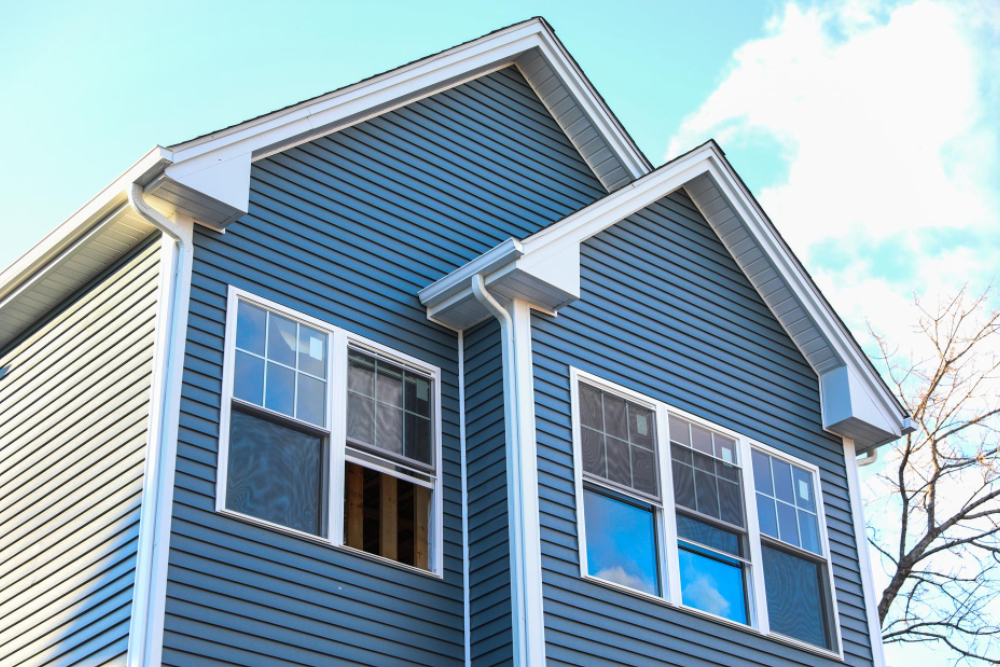
Contemporary commercial building siding ideas often center on clean lines and mixed material layouts that elevate curb presence. Vertical panels, horizontal lap systems, and textured finishes are frequently used to create contrast without overpowering the structure.
Design consistency matters in commercial environments because visual presentation ties directly to brand perception. A well-planned exterior reduces visual clutter and highlights architectural structure instead.
Professional planning often combines siding upgrades with services like siding installation, repair, and replacement, so surface transitions remain consistent and structurally sound.
2. Material Choices That Influence Performance
Material selection affects more than appearance. It determines how well a building handles moisture, temperature shifts, and long-term wear.
Fiber cement and engineered wood alternatives are frequently used in commercial settings due to their durability and stable finish retention. Each option brings different strengths depending on climate exposure and maintenance expectations.
When fiber cement is the choice, Skyline installs James Hardie — the premium fiber cement brand — as a preferred contractor.
Exterior upgrades sometimes coincide with broader property improvements such as roofing services, since roof edges and siding junctions must work together to prevent water intrusion and surface degradation.
3. Blending Function With Architectural Style
Commercial siding projects often balance durability with design intent. Neutral tones paired with accent sections can highlight entry points or signage areas without distracting from the overall structure.
Texture layering is another approach used to add depth. Smooth panels combined with ribbed or patterned surfaces can create subtle differences that heighten building identity.
In some cases, property owners coordinate exterior upgrades alongside deck installation for mixed-use spaces. This is particularly in hospitality or retail environments where outdoor areas will extend the customer experience.
4. Maintenance Strategy and Long-Term Planning
Exterior performance depends heavily on maintenance planning. Regular inspections help identify early signs of wear, moisture intrusion, or surface separation.
Buildings exposed to changing weather conditions benefit from materials selected with repair cycles in mind. Easier panel replacement and accessible fastening systems reduce downtime during maintenance work.
Exterior improvements often intersect with storm damage repair scenarios where siding, roofing, and structural components must be evaluated together after severe weather events. Coordinated repairs help restore full building function without repeated disruptions.
5. Searching and Selecting the Right Direction
Property owners sometimes start with a search for “commercial siding near me” to identify local contractors. While proximity helps, capability and experience remain more important than distance alone.
Contractors familiar with commercial environments know load requirements, code standards, and surface interaction between building systems. That knowledge helps avoid design choices that may look good but fail under long-term exposure.
Professional teams can also guide property owners through material selection based on budget, climate, and maintenance expectations rather than trend-driven decisions alone.
Exterior Improvements That Support Business Value
We approach commercial exterior work with a focus on durability, structure, and visual clarity. Every siding project we take on is evaluated in relation to the full building envelope, not just the surface layer.
That includes how siding interacts with roofing transitions, moisture control, and long-term structural performance.
At Skyline Exteriors & Construction, PLLC, our experience across exterior services allows us to support clients who need coordinated improvements rather than isolated fixes. That includes siding systems, roofing components, and related exterior improvements that contribute to long-term building stability.
We also prioritize communication and planning, so property owners comprehend each stage of the process without uncertainty or disruption to daily operations. Connect with us today.