
Quick Summary
Chicago’s harsh climate significantly impacts roof lifespan through freeze-thaw cycles, heavy rain, snow, heat, and storms. Most asphalt shingle roofs last 20–30 years, while other materials may last longer with proper installation and maintenance. Ventilation, drainage, and regular inspections are essential for maximizing durability and preventing costly repairs or premature replacement.
Property owners frequently want to know, how long does a roof last when trying to plan for future expenses or avoid sudden failures. For Chicago homeowners, that question becomes more complex because residential roofs face year-round exposure to severe weather that can shorten their lifespan.
Early in the process, it’s important to recognize how roofing installation, repair, and replacement influence long-term durability. A properly built system stands up to Chicago’s conditions far better than one installed without precision or planning.
Chicago Weather and Its Effect on Roofing Systems
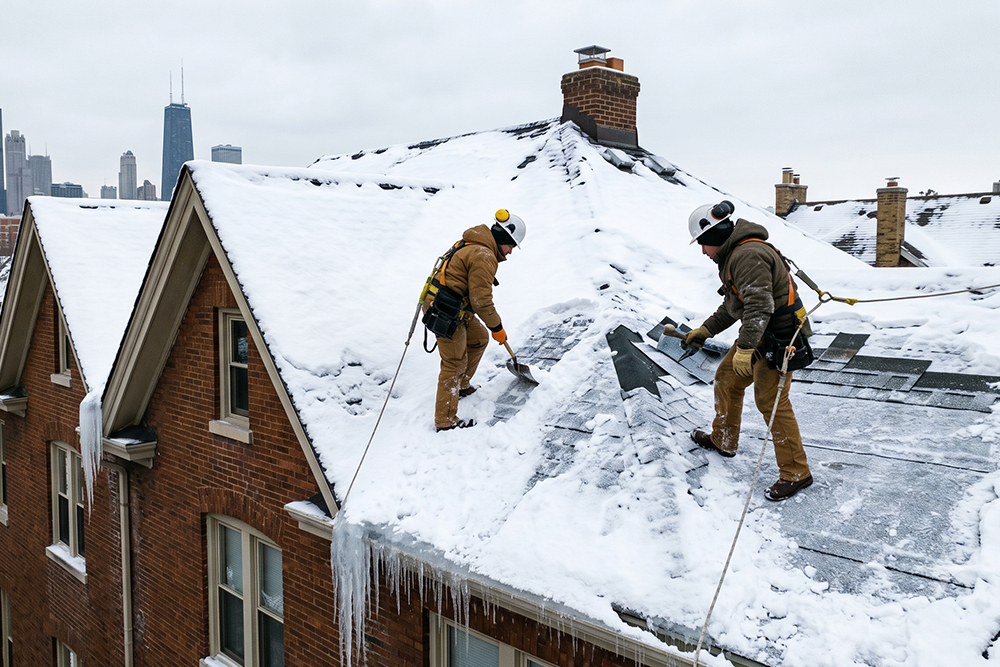
Chicago’s climate creates a cycle of stress that few roofing systems escape. Winter introduces snow accumulation and ice formation, both of which add weight and create pressure points.
When temperatures rise slightly during the day and drop again overnight, materials expand and contract repeatedly.
This freeze-thaw pattern weakens structural components over time. Shingles may loosen, membranes may separate, and flashing points can become vulnerable. These small changes often go unnoticed until damage spreads.
Spring brings heavy rainfall and fluctuating temperatures. Water infiltration becomes a concern if drainage systems are not functioning correctly. Summer heat adds another layer of strain, causing materials to dry out or lose flexibility.
Over time, this combination accelerates wear across the entire system.
Material Matters More Than Many Realize
Roof lifespan is heavily tied to material selection. Each option responds differently to Chicago’s conditions, making it important to choose a roofing system designed for the home’s structure and local weather.
Asphalt shingles remain the most popular choice for residential properties. When evaluating how long asphalt shingles last, most estimates fall within a range of 20 to 30 years under normal conditions, although Chicago’s climate may shorten that range if the system is not reinforced or maintained.
Many homeowners also choose premium impact-resistant or Class 4 asphalt shingles for added durability against hail and severe weather. Matching the right shingle system to the home’s design and environmental exposure helps maximize long-term performance.
Installation Quality Sets the Baseline
Even the best materials fail when installation falls short. Proper alignment, sealing, and structural preparation determine how well a roof performs over time. Small oversights during installation often lead to larger problems later.
A well-installed system distributes weight evenly and directs water away from vulnerable areas. It also accounts for ventilation, which has a big impact on temperature control and moisture management.
Poor installation, on the other hand, creates weak points that worsen with each season. These issues may not be visible immediately, but they reduce overall lifespan and increase the likelihood of early replacement.
Ventilation and Drainage Influence Longevity
Airflow within the roofing structure affects how materials respond to temperature changes. Without proper ventilation, heat and moisture become trapped. This buildup can warp materials, weaken supports, and create conditions that shorten lifespan.
Drainage systems are equally important. Water that remains on the surface adds weight and increases the risk of leaks. Flat or low-slope roofs are especially sensitive to drainage issues.
In many cases, property owners may need to replace the gutters to maintain proper water flow. Gutters that are clogged, damaged, or poorly positioned can cause water to back up onto the roof, accelerating wear.
Storm Damage and Sudden Wear
Severe weather events are a regular part of Chicago life. High winds, hail, and heavy rain can cause immediate damage or weaken roofing systems gradually. The impact of Chicago storm damage is often underestimated, especially when damage is not visible from the ground.
Shingles may loosen, membranes may puncture, and flashing can shift out of place. Even minor storm damage creates entry points for water, which leads to deeper structural issues over time.
After major weather events, inspections help identify hidden concerns before they develop into larger problems. Ignoring these signs often results in faster deterioration and unexpected costs.
Residential Vs. Commercial Roofing Expectations
Lifespan expectations differ between residential and commercial structures. Residential roofs often use sloped designs that shed water and snow more efficiently. This can extend their functional life when properly maintained.
Commercial properties, however, frequently rely on flat or low-slope systems. These require careful design to handle drainage and weight distribution. Roofing for a commercial building must account for additional things like equipment placement and foot traffic.
Because of these differences, commercial systems may require more frequent inspections and maintenance. Their lifespan depends heavily on how well these are all managed over time.
Warning Signs That Indicate Aging
Recognizing early signs of wear helps prevent major damage. Missing or curling shingles, cracks in membrane surfaces, and visible sagging all suggest that the roof is nearing the end of its lifespan.
Interior indicators can also reveal issues. Water stains, rising humidity levels, or changes in insulation performance often point to underlying roofing problems. These signs should never be ignored, as they indicate deeper structural concerns.
Delaying action when these symptoms appear often leads to more extensive repairs or full replacement sooner than expected.
Take the Next Step with Skyline Exteriors and Construction, PLLC
If you’re unsure about the condition of your roof or how much life it has left, now is the time to act. We help property owners across Chicago evaluate their roofing systems and plan the right solution before problems escalate.
We take a detailed approach to every inspection, identifying signs of aging and providing clear, straightforward recommendations based on your roof’s condition. Whether your roof is nearing the end of its lifespan or showing early signs of wear, we’ll give you a clear picture of where things stand and what full replacement looks like for your property.
Reach out to Skyline Exteriors and Construction, PLLC today to schedule your evaluation and get a clear picture of your roof’s condition.