
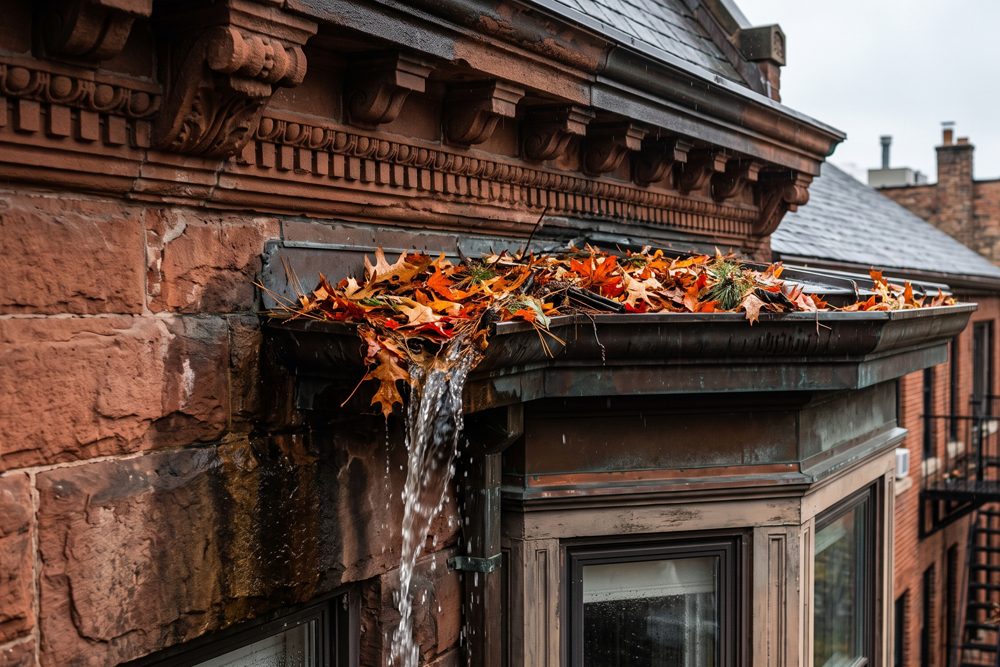
Quick SummaryChicago gutters collect leaves, twigs, seeds, dirt, and other debris throughout the year, making routine maintenance an important part of exterior care. Seasonal weather can increase debris accumulation and create blockages that interfere with proper water drainage. Regular inspections and cleaning can help keep water moving away from the property, reduce overflow risks, and identify developing gutter problems before repairs become necessary. |
Knowing how often to clean gutters can help Chicago homeowners protect their roofs, siding, foundations, landscaping, and other exterior components from drainage problems. Gutters collect considerable amounts of organic debris, particularly during autumn when surrounding trees lose their leaves. Seasonal cleaning gives homeowners opportunities to remove buildup, inspect drainage paths, and address developing concerns before heavy precipitation creates additional pressure.
Chicago experiences changing weather throughout the year, including spring rainfall, summer storms, autumn leaf accumulation, and winter freezing conditions. These seasonal changes can influence how quickly gutters become obstructed and how effectively water moves through the system. Properties surrounded by mature trees may require attention at different intervals than buildings with limited vegetation, making the property’s surroundings an important consideration.
Why Chicago Gutters Need Regular Cleaning
Gutters direct rainwater away from the roofline and toward designated drainage areas around the property. When leaves, twigs, dirt, and other debris accumulate inside the channels, water can become restricted and begin overflowing during rainfall. Overflowing water can reach siding, fascia, landscaping, walkways, and foundation areas, creating conditions that may lead to costly exterior concerns over time.
Chicago’s seasonal weather makes gutter maintenance particularly important because debris accumulation can change significantly throughout the year. Spring can introduce seeds and small plant debris, while summer storms can bring leaves and branches into open gutters. Autumn typically creates substantial leaf buildup, while winter can introduce freezing conditions that place additional stress on gutters containing trapped water and debris.
How Frequently Should Gutters Be Cleaned?
A common maintenance approach involves cleaning gutters at least twice each year, with spring and autumn serving as practical times for routine attention. However, the ideal schedule depends upon tree coverage, roof design, surrounding vegetation, gutter condition, and the amount of debris reaching the roofline. Properties beneath mature trees may require additional cleaning when buildup develops between scheduled maintenance visits.
Homeowners should also inspect gutters after significant storms, especially when strong winds have moved branches or leaves across the roof. Visible overflow, standing water, sagging sections, or debris extending above the gutter edge can indicate that cleaning should happen sooner. Paying attention to these warning signs allows homeowners to adjust maintenance based on actual conditions instead of following a fixed schedule without inspection.
Spring Gutter Cleaning Can Prevent Problems
Spring cleaning removes debris that accumulated during autumn and winter while giving homeowners an opportunity to examine the gutter system before the year’s heavier rainfall arrives. Leaves, small branches, sediment, and other materials can remain trapped inside channels after winter, restricting water movement. Removing this buildup can restore clearer drainage paths and make it easier to identify damaged components.
Spring inspections should include gutter seams, fasteners, downspouts, end caps, fascia connections, and visible sections surrounding the roofline. Look for loose areas, cracks, separated joints, rust, staining, and sections that appear uneven or detached. Identifying these concerns during seasonal maintenance can help homeowners address small problems before repeated rainfall places additional demands on an already compromised drainage system.
Autumn Cleaning Deserves Special Attention
Autumn can create substantial gutter buildup because deciduous trees release large quantities of leaves across roofs and surrounding property areas. Wind can move this debris directly into open gutter channels, where it can combine with dirt and moisture. Cleaning before significant leaf fall and again after the season ends can help properties surrounded by mature trees maintain clearer drainage pathways.
Homeowners should also pay attention to downspouts because debris removed from gutter channels can still create blockages farther along the drainage system. Water should move freely through downspouts and discharge away from the foundation. If water backs up, drains slowly, or spills from connections during testing, the system may require additional inspection to identify an obstruction or damaged component.
Watch for Signs Your Gutters Need Attention
Certain visible signs can indicate that gutters require cleaning or inspection outside the normal seasonal schedule. Water spilling over the sides, plants growing inside channels, visible sediment, sagging sections, and exterior staining can signal significant buildup or drainage problems.
Homeowners should also inspect areas around downspout outlets after rainfall because excessive pooling, soil erosion, damaged landscaping, and persistent moisture near foundations may indicate blocked drainage or other gutter concerns requiring professional evaluation.
When Cleaning is Not Enough
Cleaning removes accumulated debris, but it cannot correct every problem affecting gutter performance. Cracked channels, loose fasteners, separated seams, damaged downspouts, improper slopes, and deteriorated components can continue causing drainage issues after debris has been removed. Professional inspection can help determine if the existing system needs repairs or if replacement would be appropriate based on its condition and age.
For homes needing gutter installation and replacement, the project’s scope should account for roof drainage, building design, downspout placement, water discharge locations, and existing exterior conditions. A properly planned system can direct water away from vulnerable areas while complementing the property’s exterior. Discussing these factors with an experienced contractor can help homeowners select an appropriate approach.
Keep Your Gutter System Ready for Chicago Weather
At Skyline Exteriors & Construction, PLLC, we approach gutter maintenance and exterior projects with quality workmanship and responsive customer service. Our experience across Chicagoland homes, including recent gutter and roofing work in Naperville and Palatine, allows us to assess gutter conditions, identify drainage concerns, and discuss practical solutions suited to each building. Get your free estimate to discuss your gutter needs and determine appropriate next steps for your property.