
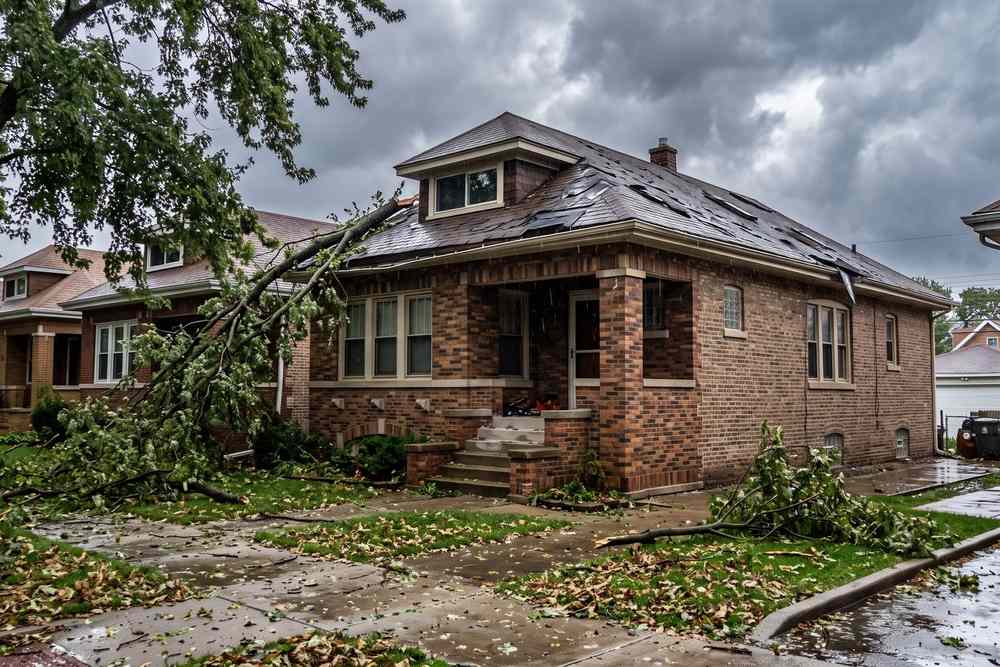
Quick SummaryRoof damage from hail, wind, falling branches, and severe storms can create costly concerns for Illinois homeowners. Before contacting an insurance company, consider starting with a complimentary inspection from Skyline Exteriors & Construction, PLLC. A professional assessment can document visible damage, identify affected exterior components, and help homeowners understand relevant policy terms before a claim is reported. Skyline can also assist directly with the claim process itself, from filing through the adjuster meeting. |
If you are asking, “Should I file a roof insurance claim myself?” the safer starting point is to have the property professionally inspected first. Skyline can document the damage, help you understand the condition of the roof, and assist directly with the claim itself — from filing through the adjuster meeting — so you have your own informed support throughout the process.
Severe weather can affect shingles, flashing, gutters, siding, soffits, fascia, and other exterior components during one event. A professional inspection before filing can give homeowners a clearer record of the property’s condition and help distinguish potential storm damage from normal aging, pre-existing deterioration, or unrelated conditions. Individual insurance policies contain different terms, exclusions, deductibles, and conditions, so homeowners should avoid assuming that every visible issue qualifies for coverage.
1. Start With a Complimentary Home Inspection
Before contacting the insurance company, start with a complimentary, no-obligation inspection from Skyline Exteriors & Construction, PLLC. A professional roofing inspection can document visible damage through photographs and other inspection findings before anything is reported as a claim.
The inspection can focus on the roof while also identifying potential damage to related exterior components. Photographs of damaged shingles, flashing, gutters, siding, downspouts, vents, soffits, and fascia can create a useful record of the property’s condition following a weather event.
Starting with an inspection also gives homeowners an opportunity to discuss what was observed before making decisions about filing. No claim outcome can be promised, but having professional documentation from the beginning can make later conversations with an insurance company more organized and informed.
2. Damage Assessment and a Review of Your Policy
After the inspection, Skyline can help homeowners understand the observed damage and review relevant insurance-policy information before a claim is reported. This step combines the physical assessment with a discussion of coverage, deductibles, exclusions, depreciation, and other policy terms that could affect the claim process.
The goal is not to predict an insurance decision. Instead, homeowners can enter the claims process with a clearer understanding of the property’s condition and the policy language that applies to the loss. Skyline handles both the construction assessment and the insurance-claim guidance directly, so homeowners aren’t coordinating between separate parties.
Roofing damage should also be considered alongside related exterior conditions. For example, hail or wind can affect siding and gutters during the same weather event. Homeowners can learn about storm damage repair and document potentially affected areas before determining the next step.
3. Let Skyline Assist in Filing the Claim
Once the damage has been assessed and relevant policy information has been reviewed, Skyline can help homeowners gather the information needed to begin the claim process. This approach shifts the process away from filing without first understanding the property’s condition.
Skyline can assist with claim-related guidance directly and help homeowners navigate the information submitted to the insurer. The purpose is to keep the claim documentation organized and grounded in the actual property conditions observed during the inspection.
Homeowners should give the insurance company accurate information about the weather event, the date it occurred, the observed damage, and any temporary measures taken to protect the property. Avoid guessing about damage that has not been professionally inspected because additional findings can emerge during a detailed assessment.
4. Meet With the Insurance Adjuster With Skyline There
An insurance adjuster evaluates the reported loss on behalf of the insurance company. Having Skyline present gives the homeowner an opportunity to have documented findings and relevant property conditions discussed during the inspection.
Skyline can present the documented damage and point out areas identified during the roofing assessment. A professional assessment can be especially useful when damage involves multiple exterior components or when some conditions are difficult to evaluate from ground level.
The goal is not to assume that the insurer’s findings will differ from Skyline’s assessment. Instead, having independent documentation gives homeowners their own reference point when discussing the property with the insurance company. The adjuster represents the insurer’s interests in evaluating the loss, while the homeowner can have separate professional support focused on the property’s condition and restoration needs.
5. Review the Insurance Scope Together
After the insurance inspection, review the claim information and repair scope together with Skyline. Compare the insurer’s estimate with the documented conditions identified during Skyline’s inspection and note any differences that require clarification.
Review covered areas, excluded items, repair allowances, material considerations, depreciation, deductibles, and other financial details carefully. If the insurance estimate does not appear to address a documented condition, ask for an explanation and discuss the difference with the appropriate insurance representative.
Skyline can help homeowners understand the construction side of the proposed scope and identify questions about roofing, siding, gutters, or other exterior repairs. Skyline can also help homeowners review claim-related questions and understand how the insurer’s scope compares with the documented property conditions.
From Approved Claim to Finished Roof
Once the insurance scope and repair responsibilities are understood, the project can move into the construction phase. Skyline can discuss the proposed materials, contract, project schedule, preparation, construction, cleanup, final invoice, walkthrough, and closeout requirements.
Depending on the approved scope, restoration can involve roofing along with related exterior components such as siding, gutters, soffits, fascia, or decking. Siding installation can be addressed when storm-related damage extends beyond the roof, while other exterior repairs can be incorporated according to the documented project scope.
Homeowners should keep copies of contracts, invoices, photographs, correspondence, insurance documents, and completed-work records throughout the project. These records can remain useful after construction is complete when reviewing warranties, future maintenance needs, or questions related to the property.