
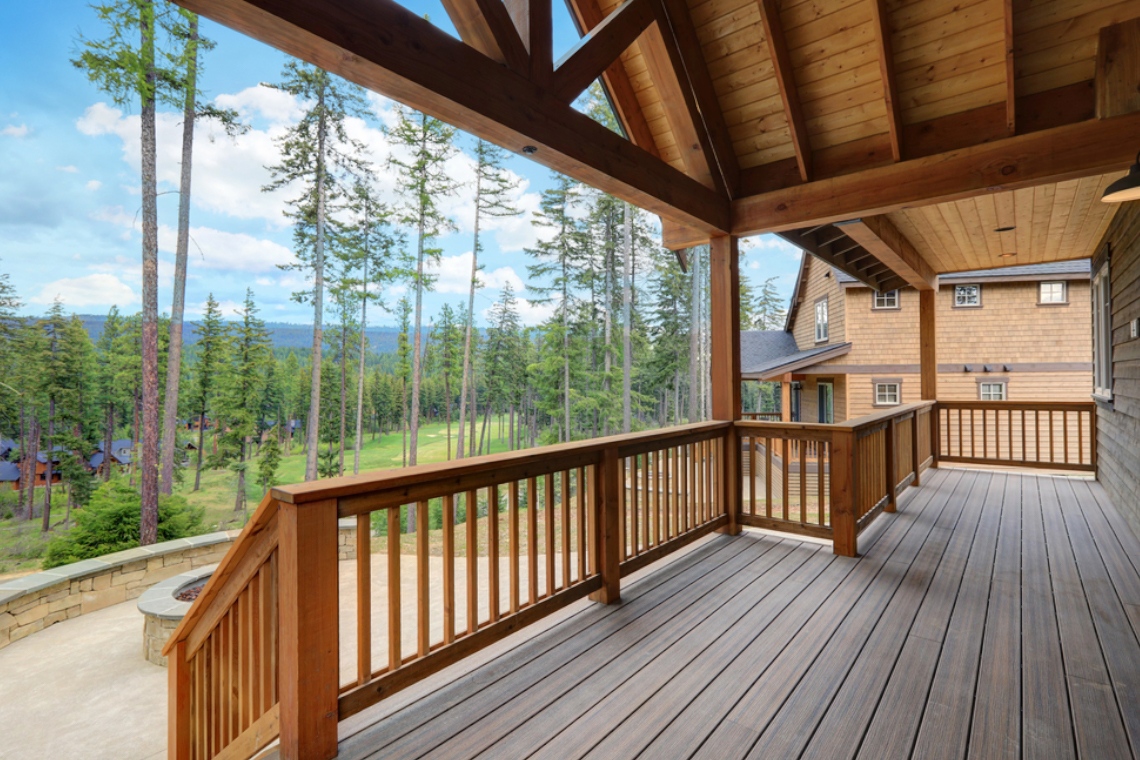
A deck changes the way a home feels. It adds space for conversation, meals, and quiet time. This makes the choice of deck building materials a major part of the final layout and long-term performance. Many homeowners look at appearance first, but strength, care needs, and climate patterns also guide each choice.
Deck planning becomes easier when you understand how each material reacts to heat, moisture, and daily use. This guide breaks down clear details so you can approach your project with confidence.
- Pressure-treated lumber
Pressure-treated lumber remains one of the most widely used options for outdoor decks. The wood is infused with preservatives under high pressure, resisting decay from insects and moisture.
Families appreciate its familiar appearance, cost-friendly pricing, and ease of cutting or shaping on site. Humid climates may cause some boards to warp, so proper spacing and ventilation support stability. Staining enhances color and adds a protective layer to extend the life of the wood.
- Cedar
Cedar offers warm tones and reliable structural stability. Natural oils within the wood slow decay and strengthen resistance to outdoor elements.
Smooth underfoot, cedar works well for seating areas and responds positively to seasonal staining, keeping its rich color vibrant. It provides a natural, soft look without heavy grain patterns and can last for years with routine care.
- Redwood
Redwood combines striking color depth with long fibers that resist moisture damage. It maintains straight lines under dry heat and holds nails tightly, reducing splintering.
Large patios benefit from their visual interest, while UV protection finishes help prevent fading. Redwood remains a popular choice for families seeking durability alongside a refined, natural aesthetic.
- Hardwoods like Ipe or Cumaru
Dense hardwoods such as Ipe and Cumaru provide exceptional stability and long service life. Tight grain patterns reduce movement from climate shifts and resist scratches and dents. Ipe, with its deep brown tone, complements modern architecture.
Special tools may be required during installation, but the investment yields a deck with consistent strength and bold natural appeal.
- Composite decking
Composite decks blend wood fibers with polymers to create a stable surface that does not need staining. Many families choose it because the boards resist fading and rot. The boards keep their shape in warm, cold, and humid climates.
They also offer slip-resistant textures that support safer movement during rain. Composite boards come in a wide range of shades with patterns that mimic wood grain. This gives homeowners the look of wood without steady upkeep. Routine washing keeps the surface bright.
- PVC decking
PVC boards are fully synthetic and resist moisture at a very high level. They do not absorb water, which helps them perform well near pools, lakes, or rainy regions. The boards stay light, making them easy for skilled crews to handle during installation.
PVC holds color well and resists surface heat better than many older materials. It can be shaped with hidden fasteners that leave a smooth top surface. Homeowners who want a modern, polished deck often lean toward PVC for its clean look.
- Aluminum decking
Aluminum works differently from wood or composites. It does not warp, crack, or rust. This makes it one of the longest-lasting deck building materials available. It stays cool to the touch because it reflects heat rather than absorbing it. Many homeowners use aluminum for waterfront homes, rooftop decks, or regions that face heavy storms.
- Concrete
Concrete decks create a solid base for large entertainment spaces. Many homes use it for ground-level patios. The surface can be stamped or colored to resemble stone or tile. Concrete handles foot traffic well and stays strong under constant sunlight. It needs sealing to keep the surface smooth and to reduce cracking from freeze-thaw cycles.
- Bamboo composite
Bamboo composite uses bamboo fibers mixed with polymers. Bamboo grows fast and works as a renewable source. This appeals to families who want a more sustainable option. The boards stay stable in shifting climates and resist insects.
They hold color well and offer a look close to natural hardwood. Bamboo composite balances strength with a modern style that fits many backyards.
- Recycled plastic decking
Recycled plastic boards contribute to waste reduction and perform reliably in wet or coastal environments. They maintain shape and color under intense sunlight and salt air. Textures differ by brand, giving homeowners choices in both feel and appearance.
Many boards resist cracking, warping, or insect damage – ideal for long-term, low-maintenance outdoor use. Homeowners can select from a range of colors and finishes, achieving the look of traditional wood without frequent upkeep. This creates a sustainable and visually appealing deck that lasts for decades in challenging climates.
- Fiberglass decking
Fiberglass boards are crafted from a blend of glass fibers and resins, resulting in a material that is both lightweight and exceptionally strong. Resistant to rot and rust, fiberglass performs reliably in humid climates while maintaining a clean, uniform surface.
Many homeowners like it for docks, balconies, and coastal homes. The boards can be molded into custom shapes when a home has curves or unique angles.
Fiberglass also resists impact and surface scratches better than some traditional decking materials. Its durability and ability to maintain color and texture over time make it an excellent choice for long-lasting, low-maintenance outdoor spaces.
Why Professional Deck Builders Matter
Material choice is the starting point. Correct spacing, fastening, drainage, and airflow support a deck’s long life. Skilled contractors help guide these details and match each deck to the layout of the home. They understand local building codes, load limits, and soil conditions that affect ground-level and raised decks. A well-planned frame supports any material you choose.
Homeowners who want deeper clarity on layout and structure often explore the steps of deck installation before starting the project.
Start Your Deck Project With Skyline Exteriors and Construction, PLLC
At Skyline Exteriors and Construction, PLLC, we guide each homeowner through deck layout, material choice, and long-term planning. We match each project to the home’s climate, style, and daily needs. Our team builds decks that feel stable, safe, and well-integrated with the home. We help you move from ideas to a finished space that adds comfort and lasting value.
If you want visual ideas for layout and rail designs, take a moment to browse our gallery for real project examples.