
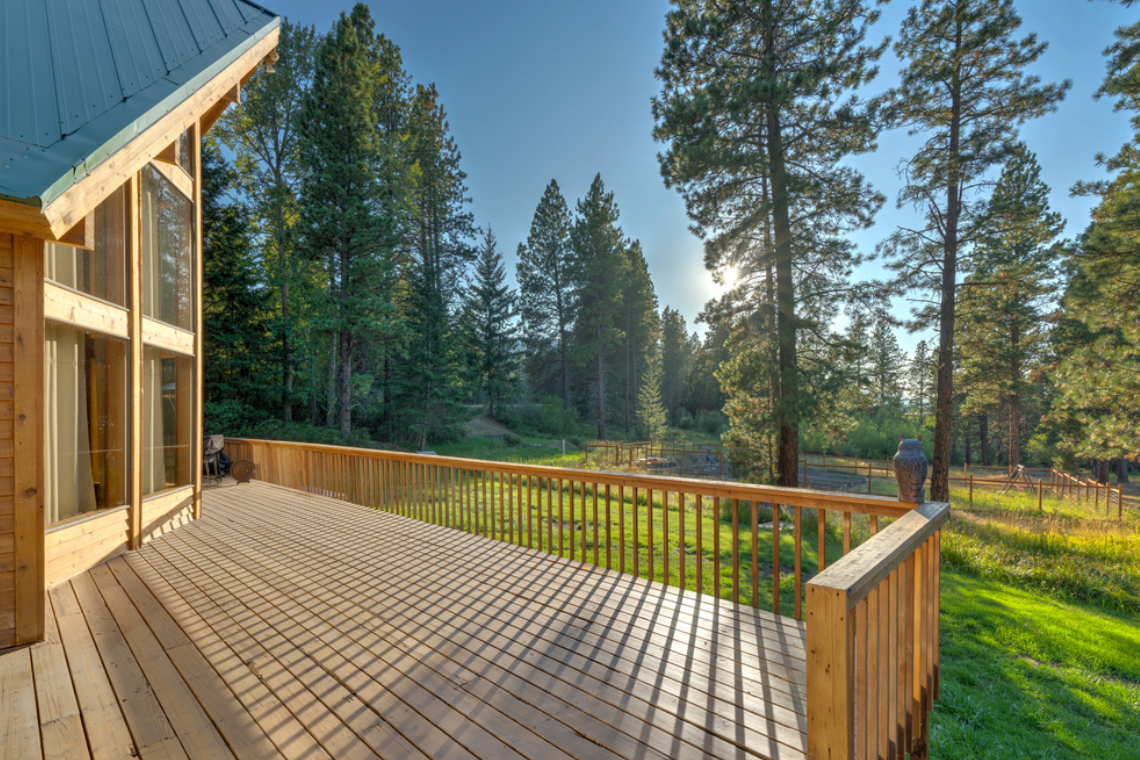
Adding a deck transforms outdoor space, creating a spot for relaxation, entertaining, and family gatherings. Homeowners often face a key decision before construction begins, weighing the benefits of each material in the composite vs. wood deck debate.
Both materials add visual appeal and strong structure, yet each offers a different blend of cost, care, and long-term value. A clear look at their strengths helps homeowners select a deck that feels right for their goals and daily routines.
Understanding The Core Differences
The choice of material begins with the foundation of the deck. Natural wood and composite boards perform differently once installed. Wood presents unique grains and textures, giving each piece a distinct character. Composite boards blend fibers and plastics to create a uniform surface designed for consistent performance.
Wood appeals to those who value an organic, warm appearance. Its natural textures and tones lend a classic outdoor ambiance. Composite boards provide controlled patterns and colors, resisting many problems common in lumber.
Both types accommodate a wide range of budgets and styles, leaving the right choice dependent on intended use and desired level of maintenance.
Strengths Of Natural Wood Decking
Wood has defined outdoor spaces for generations. Its depth, natural scent, and tactile warmth create a familiar, inviting environment. Pressure-treated wood remains a popular choice, resisting rot and insects through a chemical treatment. Cedar and redwood naturally fend off decay while offering striking grain variations.
Hardwoods such as ipe, mahogany, and cumaru bring exceptional density and durability. Though they come at a higher price point, these species can last decades with proper care.
Wood decks allow for sanding, staining, and refinishing, which will give homeowners the flexibility to refresh the tone or repair wear. Those who enjoy hands-on projects often find satisfaction in maintaining and evolving a wood deck over time.
Limitations Of Natural Wood Decking
Wood demands regular maintenance. Sun, rain, and insects leave their mark on untreated boards, leading to fading, splitting, or warping. Sealants applied every few years help slow wear, but extreme weather conditions may require additional attention. Cracks, discoloration, and surface roughness can also develop over time, requiring sanding or partial replacement of damaged boards.
Imported hardwoods raise environmental concerns, making research into sustainable sources critical. Domestic wood often offers a safer alternative, although high-grade options may carry a larger price. Seasonal changes cause wood to expand and contract, which can create gaps or raised edges that require periodic inspection and adjustments.
Additional precautions, such as proper drainage and careful installation, may be needed to maintain long-term performance.
Understanding Composite Decking Options
Composite boards combine natural fibers with plastics for a blend of durability and style. Several forms exist. Each type affects heat retention, moisture resistance, and weight.
Wood plastic composite uses fibers from wood pulp, bamboo, or similar materials mixed with polyethylene or polypropylene. Some brands use waste fibers, which can support responsible manufacturing. These boards can mimic the feel of lumber yet may show signs of mold or staining without proper care.
Cellular PVC boards are formed from polyvinyl chloride with a closed structure that limits water absorption, while mineral-based composites blend minerals and plastics for added strength and stability. Each type varies in weight, moisture resistance, and maintenance needs.
Strengths Of Composite Decking
Composite decks appeal to homeowners who prefer low-maintenance performance and reliable durability. They resist rot, insect damage, and most weather-related wear, making them ideal for a variety of climates.
Many boards come prefinished with long-lasting, fade-resistant colors, so cleaning is as simple as a light wash. Mineral-based options often last for decades, offsetting higher installation costs. Eco-conscious buyers can select brands that incorporate recycled materials, support greener manufacturing practices, and reduce waste.
Overall, a composite vs. wood deck comparison frequently highlights longer lifespans, consistent performance, and significantly reduced upkeep. This makes composite decks a practical, worry-free investment for families and property owners seeking lasting value.
Limitations Of Composite Decking
Composite boards vary across brands and types, and performance can differ significantly depending on materials and construction. Some boards may trap mold or mildew in shaded or damp areas, scratch more easily than expected, or retain heat under direct sun, making them uncomfortable for bare feet.
Families with pets or children may prefer lighter shades or textured surfaces for added comfort and traction. Certain composite boards may also show fading or minor staining over time, especially in high-traffic areas.
Upfront costs can be higher than for pressure-treated wood. However, the extended lifespan, resistance to rot and insect damage, and minimal maintenance requirements often make them more cost-effective and practical when considered over decades.
Cost Differences Between Wood And Composite Decking
Initial cost often favors wood. Pressure-treated lumber provides an affordable starting point, with cedar, redwood, and imported hardwoods increasing in price. Supply fluctuations and seasonal demand can also affect market pricing, occasionally causing higher costs for certain species.
Composite boards typically sit at a higher price range, sometimes requiring additional framing support or more precise installation techniques to achieve optimal performance. Long-term maintenance costs favor composites, as wood decks require regular sealing, staining, or repairs, while composites need minimal attention.
Over time, homeowners often find the higher upfront cost of composites justified by their durability, consistent appearance, and reduced need for ongoing maintenance or replacement.
Start Your Deck Project With Skyline Exteriors and Construction, PLLC
At Skyline Exteriors and Construction, PLLC, we help homeowners compare options with clear guidance and expert insight. We match each deck plan with the material that fits the home, the climate, and the owner’s goals.
Our team builds decks that last and stand strong in daily use, blending durability, style, and functionality. Every project is shaped with care, from the initial design to the final board, with attention to detail, skilled craftsmanship, and personalized solutions that create outdoor spaces homeowners can enjoy for years to come.
Homeowners can also explore past projects to see real examples. Our gallery gives helpful insight.
Reach out to begin your deck upgrade with a team that values honesty, craft, and steady communication.