
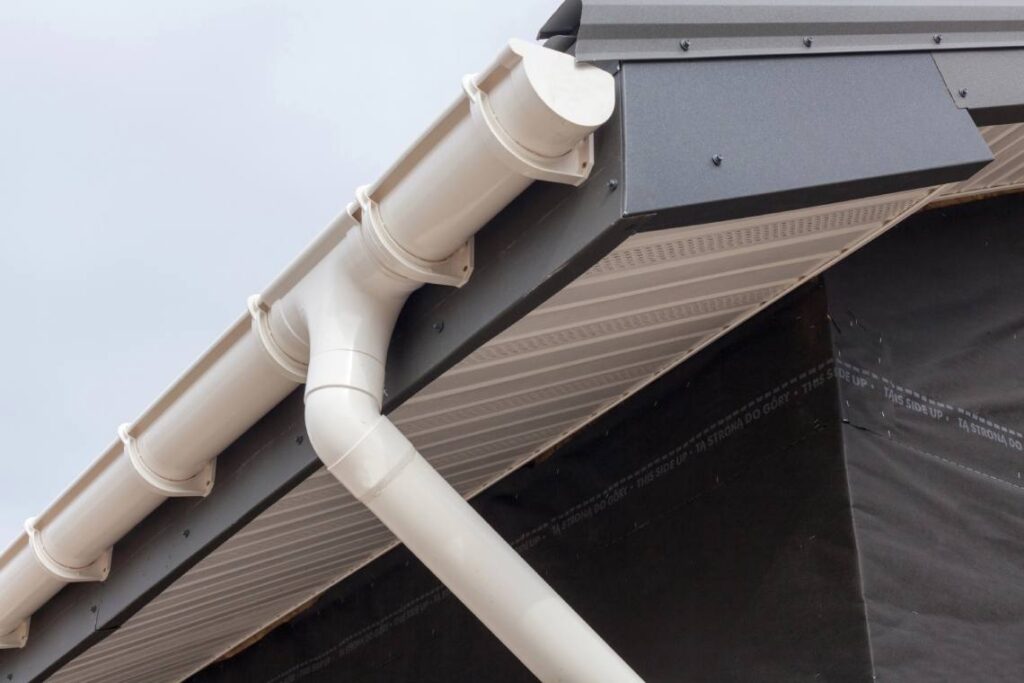
Chicago storms test every part of a home’s exterior, and gutters often take the hardest hit. Heavy rain, fast snowmelt, and strong winds can overwhelm systems that were never designed for these conditions. Many homeowners only think about gutters after water damage appears. That moment usually comes too late. Learning how to choose gutters for storm-prone regions helps you protect your roof, siding, and foundation before problems start. This guide explains what matters most so you can make confident decisions that fit Chicago’s weather and your home.
Why Chicago Weather Demands the Right Gutter System
Chicago weather creates a unique mix of challenges that gutters must handle year after year. Sudden downpours push large volumes of water toward the roof edges in minutes. Winter snow builds up weight that stresses fasteners and hangers. Freeze and thaw cycles turn small drainage issues into ice buildup. Wind-driven rain can force water over gutter edges if the capacity falls short. These conditions increase the risk of foundation erosion, siding stains, and roof edge damage. Gutters in this region must move water quickly and stay secure under pressure. Design choices matter more here than in calmer climates.
How to Choose Gutters for Storm-Prone Regions
Gutter selection starts with understanding how much water your roof collects during storms. Larger roof surfaces and steeper pitches send water faster toward the edges. Five-inch gutters work for many homes, but six-inch systems handle heavy rainfall with greater control. Extra capacity reduces overflow during peak storms. The goal is steady drainage rather than catching up after water spills over. Proper sizing protects fascia boards and landscaping at the same time. Chicago homes with complex rooflines benefit from systems designed for volume, not appearance alone. Storm performance should guide every sizing decision.
Seamless Gutters vs. Sectional Systems in Storm Conditions
Storms expose weak points in gutter systems, and seams are often the first to fail. Sectional gutters rely on multiple joints that can separate over time. Temperature changes cause expansion and contraction that stress these connections. Seamless gutters reduce the number of joints along the roofline. Fewer joints mean fewer opportunities for leaks during heavy rain. Water flows more smoothly without interruption. Storm runoff stays controlled rather than escaping through small gaps. For Chicago homes, minimizing failure points improves long-term performance and reduces maintenance concerns after severe weather.
Gutter Materials That Perform Best in Chicago’s Climate
Material choice affects how gutters respond to cold, moisture, and impact. Aluminum remains a popular option because it resists corrosion and handles temperature changes well. Coated steel provides added strength for snow load, though surface protection must remain intact. Lightweight materials reduce stress on fascia boards during winter buildup. Cold weather can make some materials brittle, which increases the risk. Homes exposed to frequent storms benefit from materials that balance strength with flexibility. Choosing materials suited for Midwest conditions helps gutters maintain shape and attachment throughout the year. Durability matters more than style in storm-focused regions.
Downspouts and Drainage Matter More Than Most Homeowners Realize
Gutters alone cannot protect a home without proper drainage below. Downspouts control how quickly water leaves the system and where it goes next. Smaller downspouts struggle during intense rainfall and cause backups. Larger downspouts move water away faster and reduce overflow risk. Placement also plays a major role in storm performance. Too few downspouts force gutters to carry more water than designed. Proper spacing supports steady flow during peak storms. Directing water away from the foundation helps prevent basement moisture and soil erosion. Storm readiness depends on the full drainage path working together.
Gutter Guards and Debris Protection in Storm-Prone Areas
Trees common in Chicago neighborhoods increase debris buildup during storms. Leaves and twigs block water flow when gutters are already under stress. Gutter guards can reduce clogging, but performance varies by design and installation quality. Some guards struggle with snow or heavy rain if water cannot enter fast enough. No system eliminates maintenance entirely. The right setup balances debris control with water intake. Professional evaluation helps determine whether guards support storm performance or create new drainage challenges over time.
Installation Quality and Storm Readiness
Even the best gutter system can fail if installation falls short. A proper slope allows water to move instead of pooling. Strong hangers support snow weight and wind pressure. Fasteners must stay secure through temperature changes. Poor alignment leads to standing water that freezes in winter. Skilled installation protects your investment by matching design to local weather demands. Storm readiness depends on how well every component works together once installed.
Ready Your Home for Chicago Storms with the Right Gutter Plan
Choosing gutters for storm-prone Chicago homes comes down to capacity, material, drainage design, and installation quality. When those elements work together, your gutters protect your roof, siding, foundation, and landscaping through heavy rain and snowmelt. At Skyline Exteriors & Construction, we help homeowners choose and install gutter systems built for local weather, while also addressing related needs like storm damage repairs, roofing, and siding when problems extend beyond drainage.
If you want expert guidance or a free gutter inspection, contact us today and let us help you protect your home before the next storm arrives.