
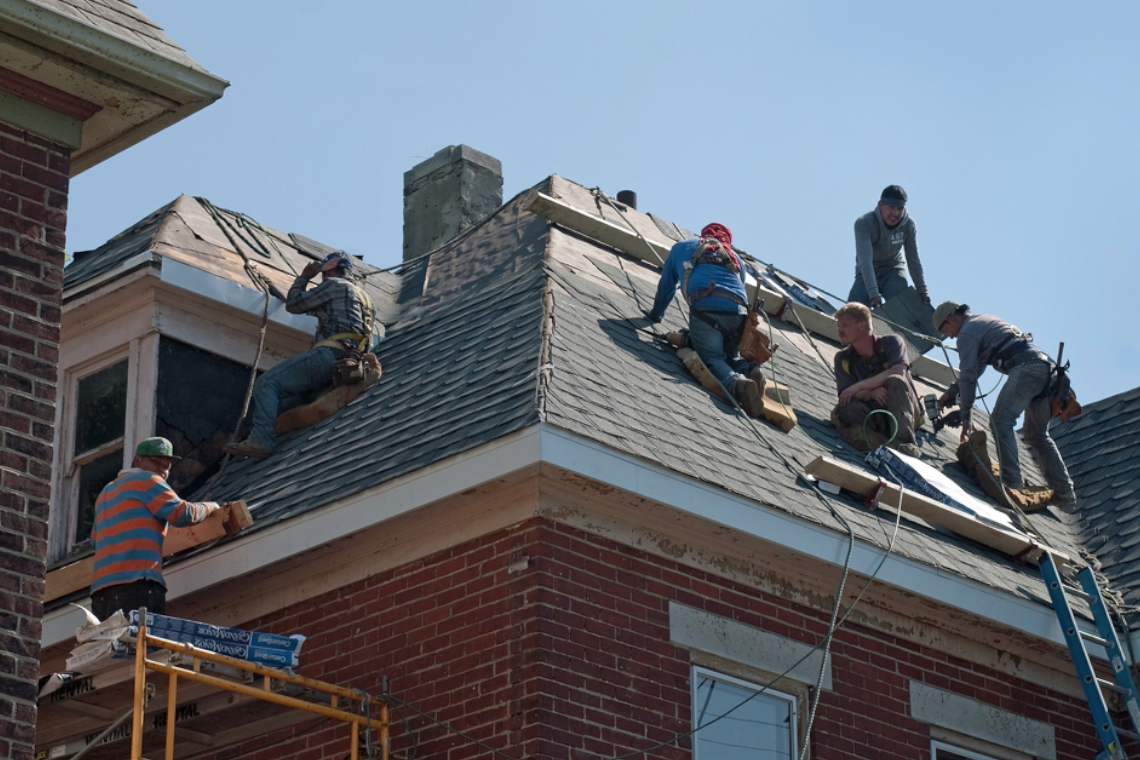
A residential roof installation shapes how well a home withstands heat, rain, and seasonal changes. Many homeowners focus on interior upgrades first, but the roof plays a direct role in comfort, safety, and long-term structure. A properly installed roof directs water flow, shields the home during storms, improves energy efficiency, and reduces future repair needs.
This guide provides clear insight into how a residential roof installation works and what each step means for your property.
Understanding The Role Of A Strong Roofing System
Roofs do more than block the weather; they stabilize indoor temperatures, support insulation, and protect the framing beneath. A well-installed layer also protects the framing below, lowering the risk of rot and mold. Homes with stronger roofs often pass inspections with fewer issues because the main structure remains intact.
When a roof loses strength, the entire home feels the impact. Small gaps may allow wind to lift shingles. Aging underlayment may shift under heavy rain. During colder months, warm indoor air can escape through thin spots, forming ice dams along the edges. These problems frequently appear in homes where the original installation was rushed.
Long before the first shingle is placed, a strong roof relies on careful planning, the right material choices, and a layout that matches the home’s pitch. Collaborating with experienced roofing specialists produces more reliable results than temporary patch solutions.
Why Proper Installation Matters For Long-Term Performance
A correctly installed roof lasts longer and requires fewer repairs over time. Shingles laid in proper patterns hold firm against wind gusts, while flashing directs water toward gutters instead of walls. Adequate ventilation allows the attic to breathe and helps maintain energy efficiency throughout the year.
Homeowners frequently notice improved comfort after a thorough residential roof installation. Attic heat moves along controlled paths, and high-quality shingles minimize sun exposure impacts. Proper bonding between layers prevents moisture pockets from forming, reducing potential damage.
Storm-related issues often stem from weak spots left during previous work. Loose nails, misaligned shingles, or shallow flashing can create points for water entry. A careful installation limits these vulnerabilities from day one, supporting the home long before repairs become urgent.
Key Steps In A Residential Roof Installation
- Assessment Of The Existing Roof
The project begins with a thorough inspection. Specialists examine the deck for soft spots, evaluate previous repairs, and inspect gutters, chimneys, and ventilation paths. This analysis forms the foundation of an accurate replacement plan.
- Removal Of Old Materials
All worn shingles and nails come off. The goal is to expose the deck fully so workers can see the condition below. Hidden decay or damaged boards become visible at this stage.
- Deck Preparation
A solid, clean deck allows the new roof to sit correctly. Rotten boards are replaced, and exposed gaps are patched to prevent movement once the new materials are installed.
- Underlayment Installation
The underlayment acts as the first line of defense against water. It directs rain and snow away from the deck and ensures water follows a controlled downward path.
- Flashing And Leak Protection
Flashing covers joints around chimneys, skylights, and valleys, where water flow is most concentrated. Proper flashing strengthens connections between roof planes and reduces the risk of leaks.
- Shingle Placement
Shingles are installed in a pattern that follows the pitch and design of the home. Each row overlaps with the row below it. Proper placement keeps the wind from lifting the edges.
- Ventilation Setup
Inadequate ventilation allows warm air to accumulate in the attic, which can accelerate shingle deterioration and reduce the overall lifespan of the roof.
A thoughtfully designed ventilation system moves heat and moisture efficiently through the roof structure. This helps regulate indoor temperatures, prevent ice dams in colder months, and maintain energy efficiency throughout the year.
- Final Inspection
The final inspection provides a thorough review of the entire roof system, confirming that each layer is properly aligned, secure, and free of debris. Gutters, flashing, ridges, valleys, and roof peaks receive meticulous attention to detect any loose edges or gaps.
This comprehensive check verifies that all materials are installed correctly, ventilation functions as intended, and water flow is properly directed.
Material Choices And Their Performance Impact
Materials shape how well a new roof performs. Asphalt shingles are among the most common options for homes. They hold up well to changing weather and support a strong seal when installed correctly. The granules on the surface deliver protection from UV rays and add grip during rainfall.
Synthetic materials are sometimes used for added durability, but they must match the home. Each material carries a different weight and ventilation needs. This makes proper planning important, especially when adjusting to older homes.
Good installation methods allow the material to perform as designed. Even the highest-quality shingle cannot protect the home if it is applied without attention to sealing lines or nail placement.
How Homes Benefit From Roofing Upgrades
Fresh installations support both present and future goals. A new system often increases home value. Buyers see a roof with a long life ahead and view it as a strong investment. Homeowners also gain peace of mind from improved stability during sudden weather shifts.
A reliable installation also reduces ongoing maintenance. Faulty corners, weak flashing, or loose lines often lead to repeated repairs. Homes with tight installations often avoid these problems for many years.
Some homeowners choose upgrades that support their climate. Reflective shingles reduce heat absorption. Strong ridge vents cool the attic more efficiently. These options add comfort and lower long-term strain on the structure.
To learn more about roofing installation, repair, or replacement options, homeowners can explore trusted services such as roofing installation, repair, and replacement for more insight into modern solutions.
Start Your Roofing Project With Skyline Exteriors and Construction, PLLC
Here at Skyline Exteriors and Construction, PLLC, we design and install roofing systems built for long-term strength, durability, and reliable performance. Our team manages residential installations with meticulous care, precision, and attention to every detail, so each layer is properly aligned and secured.
In addition to roofing, we handle siding, gutter installation, decking, and storm damage repair, helping homeowners protect and enhance their property’s exterior. Every project reflects our commitment to quality workmanship, professional service, and long-lasting results that maintain both safety and curb appeal.
Homeowners who want to view past projects can explore our gallery for real examples of our craft.