Roofing may seem simple from the ground, but every property has different needs. One of the biggest comparisons is commercial roofing vs residential roofing. Both protect a building from the weather, water, and daily wear, but they are built differently.
A home roof usually focuses on curb appeal, slope, ventilation, and long-term comfort. A business roof often focuses on size, drainage, energy use, and access for equipment. Knowing the difference helps you choose the right contractor, materials, and service plan.
Roof Design and Structure
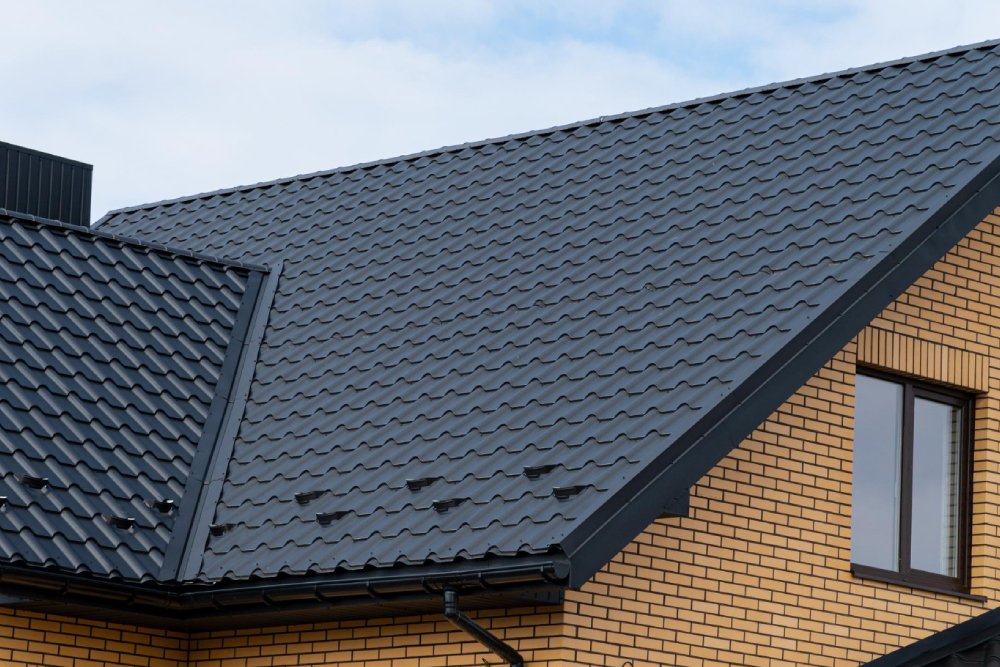
Residential roofs are usually pitched. This means they have a visible slope that helps rain, snow, and debris move off the roof. Common shapes include gable, hip, and dormer-style roofs. These designs also play a big role in the look of a home.
Commercial roofs are often flat or low-slope. This design gives business properties more usable space on top of the building. Many commercial roofs support HVAC units, vents, skylights, or other systems. Because of that, drainage and weight load matter a lot.
A flat roof still needs careful planning. Water cannot sit on the surface for long periods. Poor drainage can lead to leaks, damaged insulation, and higher repair costs.
Roofing Materials Used
Residential roofing often uses asphalt shingles. They are popular because they look clean, come in many styles, and work well for many homes. Some houses may also use tile or synthetic materials, depending on the design and budget.
Commercial roofs use different systems. These may include TPO, EPDM, modified bitumen, or built-up roofing. These materials are made for larger surfaces and low-slope layouts. They also need skilled installation because seams, flashing, and drainage points must be handled with care.
Skyline Exteriors and Construction works with residential and commercial roofing needs, but we do not install metal roofs or cedar shake roofs. We focus on quality work, customer service, and exterior solutions that fit the property.
Installation Time and Project Size
Home roofing projects are usually smaller. Many residential roof replacements can be completed faster than commercial jobs. The timeline depends on roof size, weather, material type, and the condition of the existing roof.
Commercial roofing projects often take longer. Larger square footage, business operations, safety planning, and rooftop equipment can add extra steps. Contractors may also need to work around employees, tenants, customers, or building schedules.
Maintenance and Repair Needs
Residential roofs usually need seasonal checks, gutter cleaning, and small repairs after heavy weather. Missing shingles, loose flashing, and minor leaks should be handled early. A simple issue can become expensive when water reaches the attic or insulation.
Commercial roofs need more frequent attention. Flat and low-slope roofs can collect debris, standing water, and surface wear. Rooftop equipment can also create weak spots around curbs, seams, and penetrations.
Storm damage is another major concern. Hail, wind, and heavy rain can affect both home and business roofs. A professional inspection helps spot damage that may not be visible from the ground.
Cost And Long-Term Value
Residential roofing costs are often easier to estimate because the roof area is smaller. Material choice, roof pitch, ventilation, and tear-off needs can change the final price.
Commercial roofing costs depend on more variables. Roof size, membrane type, drainage layout, insulation, and building access all matter. Some projects may also require coordination with business hours or property managers.
A lower upfront price is not always the best value. Poor installation can lead to leaks, energy loss, and repeated repairs. Quality work helps protect the building and reduce future stress.
Contractor Experience Matters
Residential and commercial roofing each requires different skills. A home roof needs careful detail around valleys, chimneys, vents, and shingles. A commercial roof needs strong knowledge of membranes, seams, drainage, and large-scale project planning.
That is why choosing the right contractor matters. You want a team that understands the property type, the materials, and the repair process. You also want clear communication from inspection to completion.
How Skyline Exteriors and Construction Can Help
At Skyline Exteriors and Construction, we work with homeowners and business owners who need reliable exterior construction support. Since 2018, we have completed over 2,000 projects and performed over 5,000 free inspections.
Our team handles residential and commercial roofing, siding, gutters, decking, and storm damage repairs. We focus on customer service, clean workmanship, and honest communication. We also help clients understand roof damage, repair options, and next steps after severe weather.
We do not install metal roofs, cedar shake roofs, or cedar shake siding. Our focus stays on the roofing and exterior services we know well. That allows our team to give each project the attention it deserves.
Choosing the Right Roofing Solution
The difference between residential and commercial roofing comes down to design, materials, scale, and maintenance. A home roof must protect your living space and match your home’s appearance. A business roof must support a larger structure and handle more complex demands.
At Skyline Exteriors and Construction, we make the process simple. We inspect the property, explain what we find, and recommend a practical solution. Call us today or fill out our contact form to schedule your free inspection.